
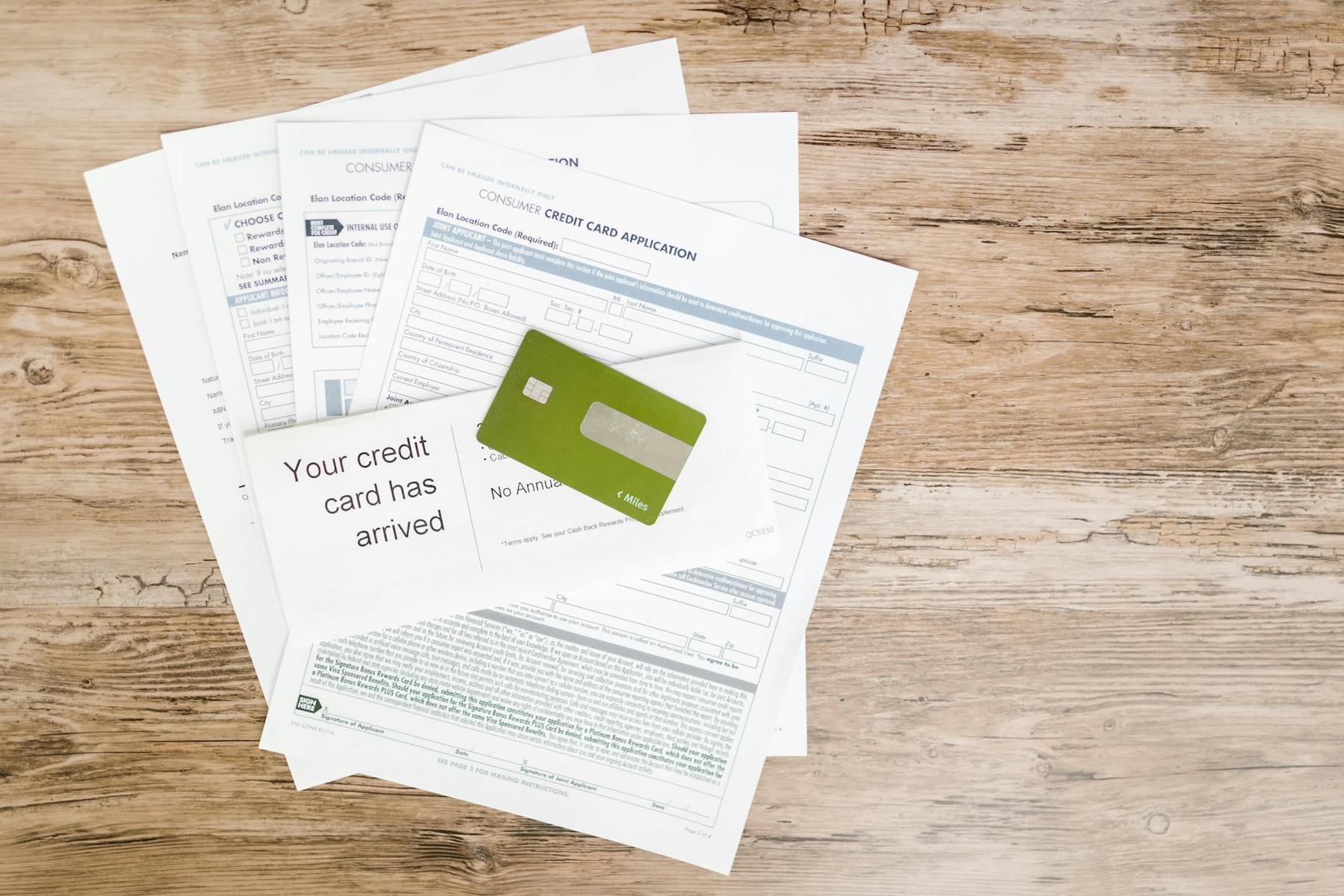
You’ve just landed at Pearson, Trudeau, or Vancouver International with your study permit in hand, ready to start your Canadian academic journey. Except – how exactly do you get paid for that part-time campus job you’ve lined up? Where do you even begin with opening a bank account when you’ve got no Canadian address, no credit history, and absolutely no idea what a Social Insurance Number (SIN) is or why it’s essential?
We’ve all been there. That first week in a new country where the administrative tasks feel more overwhelming than your actual course load. Getting your financial foundations sorted in Canada doesn’t have to be complicated. Whether you’re arriving from Sydney, London, Dubai, or anywhere else, understanding international student banking requirements – particularly the SIN application process and bank account setup – is straightforward once you know the steps.
What Is a Social Insurance Number and Why Do International Students Need One?
Your Social Insurance Number (SIN) is a nine-digit identifier issued by Service Canada that’s essential for working legally in Canada, filing taxes, and accessing government programmes. International student SINs are unique – they always start with the digit 9, identifying you as a temporary resident. Your SIN will match the expiry date on your study or work permit, requiring renewal alongside your permit. The good news? There’s no fee to apply for a SIN, but always beware of fraudulent third-party websites.
If you apply online and receive confirmation, you may begin insurable employment before your physical SIN letter arrives, though it is best to provide the actual number to your employer as soon as possible.
How Do You Apply for a SIN as an International Student in Canada?
Before applying, ensure your study permit states that you’re authorised to work. Look for language such as “May accept employment on campus” or “May work 20 hours per week off-campus during studies.” If not, contact IRCC for an amendment.
Three Application Methods for SIN Requirements
Online Application (Most Popular):
- Processing time: 5 business days
- SIN confirmation letter: 10-15 days from application
- Can apply from inside or outside Canada
- Requires digital copies of your study permit, passport, and proof of address
In-Person at Service Canada Centre:
- Processing time: Instant – receive your SIN the same day
- Requires original documents only
- Physical SIN card mailed within 3 weeks
- Available at select locations including Toronto Pearson Airport
By Mail:
- Processing time: Approximately 20 business days
- Original documents required (returned after processing)
All methods require your valid study permit, passport or government-issued ID, and proof of your Canadian address (for online applications). Be sure to keep your SIN confidential once received.
What Documents Do You Need to Open a Bank Account in Canada?
Canadian banks require proper identification per federal anti-money laundering regulations. They typically require two pieces of identification:
Document 1 (Name and Address):
- Government-issued ID
- Recent utility bills or bank/credit card statements
- Foreign passport
Document 2 (Name and Date of Birth):
- Government-issued ID
- Foreign passport
- Birth certificate or credit card
Additional documentation for international students includes your study permit or Temporary Resident Visa, proof of enrolment, an active Canadian phone number, and sometimes your SIN (optional for basic chequing accounts but recommended for interest-bearing accounts or credit apps).
Some banks also offer online pre-arrival account opening, allowing you to set up your account before landing in Canada.
Which Canadian Banks Offer the Best Student Banking Packages?
Canada’s major banks provide competitive student packages. Here’s a quick comparison:
| Bank | Monthly Fee | Key Features | Credit Card Option | Welcome Bonus | International Transfer |
|---|---|---|---|---|---|
| Scotiabank | $0 (under 23 or full-time students) | Unlimited transactions, free Interac e-Transfers | Scene+ Visa (no credit history required) | $175 cash | Extensive ATM network and rewards |
| RBC | $0 (full-time students) | Unlimited debits, no minimum balance | Various student cards | Newcomer packages | High daily transfer limits |
| CIBC | $0 (until age 25) | Fee-free until 25, $125 welcome bonus, free online trades | Dividend Visa | $125 cash | Broad international reach |
| TD Canada | $0 (continues if still studying) | Unlimited transactions, overdraft protection | Student cards available | Varies | Competitive US transfer options |
| BMO | $0 (up to 4 years) | 30 free transactions, unlimited e-Transfers | Student cards available | Occasional offers | Global transfer capabilities |
Spotlight on Leading Packages
- Scotiabank StartRight Programme: Features unlimited debit transactions and the Scene+ Visa Card, which is ideal for building credit without any prior Canadian history.
- RBC and CIBC Pre-Arrival Setup: Both banks offer pre-arrival account opening. CIBC’s Smart Start account and RBC’s extensive network provide excellent options for international students.
- TD Canada Trust: Offers a fee-free student account that continues beyond age 23 if you’re still studying, along with beneficial overdraft protection and student credit options.
How Can International Students Build Credit in Canada?
Building credit in Canada starts from scratch regardless of your financial history overseas. Here’s a step-by-step roadmap:
The Six-Month Credit Building Strategy
Immediate (Month 1):
- Open your bank account to initiate your credit file with Equifax and TransUnion.
- Apply for a student credit card (or a secured credit card if needed).
- Set up a postpaid phone plan to help build your credit profile.
Months 1-6:
- Use your credit card responsibly, keeping utilization below 30% of your limit.
- Always pay the full balance if possible or at least the minimum payment on time.
Months 6-12:
- Monitor your credit score regularly via free services offered by banks or directly from credit bureaus.
- Diversify your credit mix when possible, but avoid multiple simultaneous applications.
Beyond 12 Months:
- After a year of consistent, on-time payments, you’ll establish a solid Canadian credit history, qualifying you for better financial products and rental agreements.
What Are the Financial Requirements for Studying in Canada?
Understanding proof of funds is critical for study permit applications and renewals. As of September 2025, the financial requirements are:
- Single applicant: CAD $22,895 per year (living expenses only)
- Two family members: CAD $28,502 per year
- Three family members: CAD $35,040 per year
- Four family members: CAD $42,543 per year
- Each additional family member: Add CAD $6,170 per year
For Quebec, single persons over 18 need CAD $15,508 plus a $500 settlement amount and proof of health insurance.
Acceptable Proof of Funds Documentation
Strongly recommended documents include bank statements (last 4 months), a Guaranteed Investment Certificate (GIC), Canadian bank account statements, and scholarship or financial aid letters. Other acceptable documents include student loan approval letters, bank drafts, and sponsorship letters. Avoid using assets like jewellery or physical cash as proof of funds.
Your Financial Foundation for Canadian Academic Success
Setting up your financial systems – from obtaining your SIN to opening the right bank accounts and building credit – is a critical first step in your academic journey in Canada. These foundational steps not only help you meet immigration requirements but also pave the way for stronger financial health post-graduation. Establish your SIN promptly, choose banking packages wisely, and adopt prudent credit habits to ensure a smooth transition into the Canadian financial landscape.
Can I work in Canada without a SIN as an international student?
No, you cannot legally work in Canada without a Social Insurance Number. All Canadian employers require your SIN to process payroll, report your income to the Canada Revenue Agency (CRA), and make necessary tax deductions. Even if you begin insurable employment after applying online, you must provide your SIN as soon as it is received.
How long does it take to receive my SIN after applying?
Online applications are processed within 5 business days, with the SIN confirmation letter arriving within 10-15 days. In-person applications at Service Canada Centres provide instant processing (with the physical SIN card mailed within 3 weeks), while mail applications take about 20 business days.
Do I need a SIN to open a bank account in Canada?
No, a SIN is not required to open a basic student chequing account at most Canadian banks. However, having a SIN is recommended if you plan on opening interest-bearing accounts, applying for credit cards, or accessing other financial services that report to the CRA.
Which bank is best for international students in Canada?
While many banks offer competitive packages, Scotiabank’s StartRight programme is consistently rated highly for its Scene+ Visa Card, $175 welcome bonus, and integrated services for international students. However, the best bank for you depends on your specific needs, such as pre-arrival account setup options or branch proximity.
How much money do I need to show for proof of funds when applying to study in Canada?
As of September 2025, single international students must demonstrate CAD $22,895 in living expenses annually (excluding tuition and transportation). Requirements increase with family members, and additional funds are needed for tuition and travel. Quebec has different thresholds, so be sure to check specific guidelines based on your situation.