
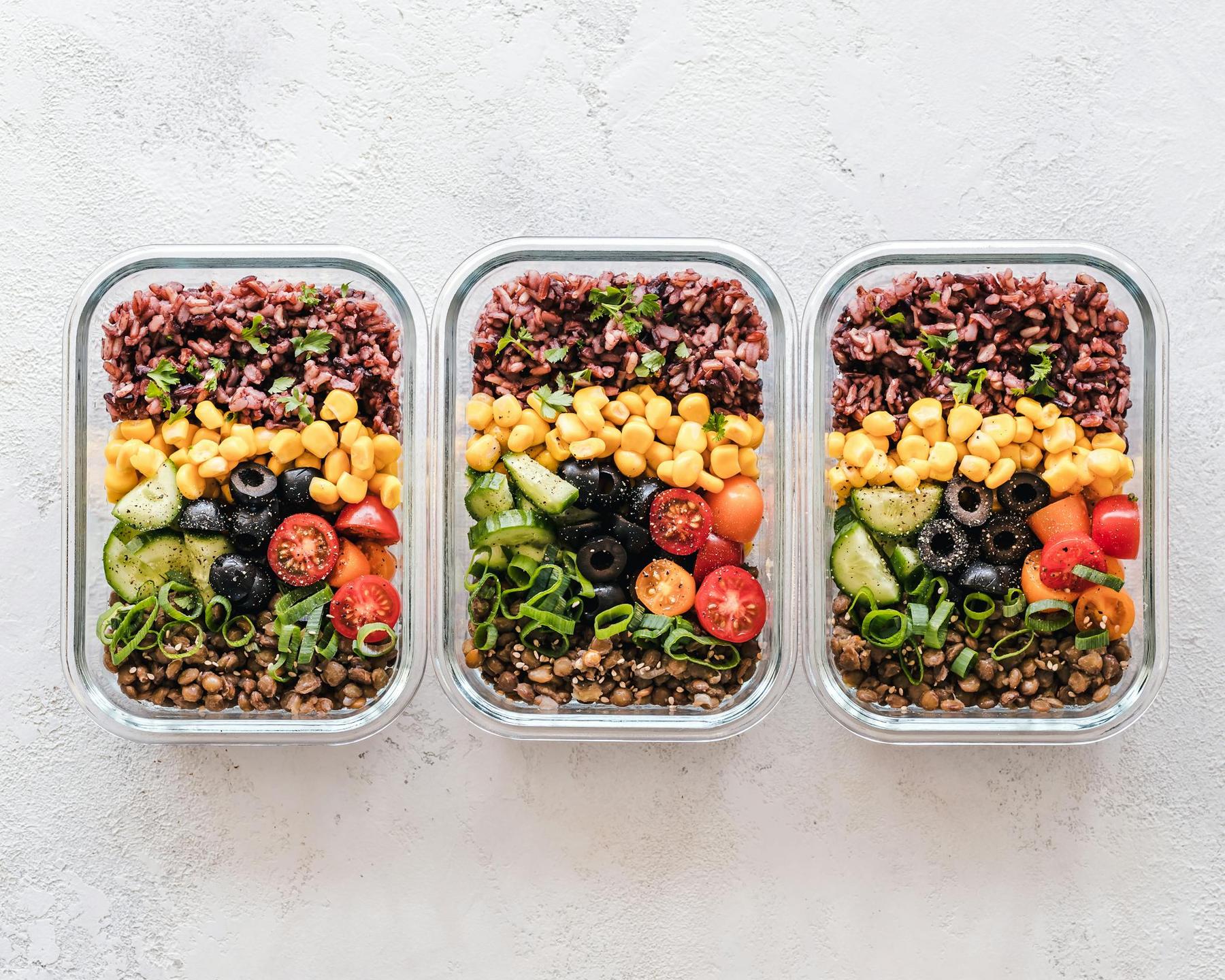
You’re standing in front of your pantry at 9 PM on a Wednesday, stomach growling, assignment due at midnight, and nothing remotely resembling dinner in sight. The UberEats app beckons with its $18 minimum spend, but you’ve already blown through most of this week’s budget. You’re not alone—recent research from the University of Wollongong reveals that 53% of Australian university students are experiencing food insecurity, with 79% of international students regularly skipping meals due to cost. Here’s the truth nobody tells you during orientation: learning to meal prep properly might be as crucial to your academic success as mastering APA referencing. This guide breaks down exactly how to achieve student meal prep in Australia for under $30 weekly, transforming your relationship with food, finances, and study performance in the process.
Why Is Student Meal Prep Essential in Australia’s Current Cost of Living Crisis?
The numbers paint a stark picture. Between March 2021 and September 2023, cheese prices jumped 27.3%, bread climbed 24.1%, and eggs increased 19.7%. Meanwhile, the average Australian student spends $80-120 weekly on food—yet the Department of Home Affairs calculates total living costs at approximately $2,475 monthly for student visa requirements, leaving precious little room for inflated grocery bills.
Student meal prep Australia isn’t just a money-saving strategy; it’s a survival skill. When you’re spending $10-15 on a single campus lunch, that’s potentially $50-75 weekly on lunches alone. Multiply that across a semester, and you’ve spent $650-975 on meals you could have prepared for a fraction of the cost. Universities across Australia—from ANU to UNSW—have introduced Foodbank market stalls precisely because food insecurity among students has reached crisis levels.
But here’s what really matters: the academic impact. Students who skip breakfast are 78% more likely to fall below national minimums in numeracy and 63% in reading comprehension. Your brain needs consistent, quality fuel to process complex concepts, retain information, and produce the kind of work that earns distinctions. When you’re constantly worried about your next meal, concentration plummets, stress skyrockets, and academic performance suffers.
How Can You Actually Achieve Weekly Meals Under $30 AUD?
Let’s be direct: achieving weekly meals under $30 AUD requires strategic planning, not deprivation. This budget covers ingredients for home-cooked meals—you’ll need to supplement with basics like cooking oil, salt, and spices, which last months and cost around $20-30 initially.
The foundation lies in understanding cost per serving versus cost per item. A 1kg bag of dried lentils costs roughly $3.50 and yields approximately 10-12 servings. A kilogram of rice costs $2-4 and provides 15-20 servings. Eighteen eggs cost about $6 and deliver nine protein-rich meals. When you break ingredients down this way, the maths becomes surprisingly favourable.
Your weekly $30 strategy centres on three pillars:
Staple grains and legumes ($8-10): Rice, pasta, oats, dried lentils, and canned beans form your foundation. These provide bulk, satiety, and essential carbohydrates that power through lecture marathons and study sessions.
Protein sources ($10-12): Eggs offer unbeatable value at approximately 6.7 cents per gram of protein. Supplement with canned tuna (4.3 cents per gram), occasional chicken when on special, and legumes like chickpeas and black beans (3.3 cents per gram).
Fresh and frozen vegetables ($8-10): Frozen vegetables often match or exceed fresh produce in nutritional value whilst eliminating waste. Seasonal vegetables at farmers markets or ALDI deliver better value than out-of-season imports.
The critical insight? You’re not eating the same meal seven times weekly. You’re batch-cooking components—grains, proteins, roasted vegetables—then mixing them differently throughout the week. Monday’s rice and beans become Tuesday’s fried rice, Wednesday’s burrito bowl, and Thursday’s stir-fry base.
What Are the Best Budget Proteins and Ingredients for Student Meal Prep?
Understanding protein economics transforms your meal prep game. Here’s the reality of cost-effective protein in Australia:
| Protein Source | Cost per 100g Protein | Prep Time | Versatility | Shelf Life |
|---|---|---|---|---|
| Lentils (dried) | 3.3 cents | Low (bulk cook) | High | 2+ years (dry) |
| Black beans (canned) | 3.3 cents | Minimal | High | 2+ years |
| Chicken breast | 3.5 cents | Medium | Very high | 2-3 days fresh |
| Chickpeas (canned) | 4 cents | Minimal | Very high | 2+ years |
| Tuna (canned) | 4.3 cents | None | Medium | 2+ years |
| Eggs | 6.7 cents | Low | Very high | 3-4 weeks |
Lentils and beans emerge as genuine heroes. A 500g bag of red lentils costs roughly $1.75 and provides substantial protein across multiple meals. They’re complete proteins when combined with grains (rice, pasta, bread), addressing the Australian Dietary Guidelines’ recommendation for 2.5-3 serves of protein daily.
Eggs deserve special mention. Eighteen eggs for $6 means each egg costs 33 cents, delivering 6-7g protein alongside essential nutrients. Scrambled eggs on toast, boiled eggs for lunch boxes, fried eggs on fried rice, or baked into frittatas—their versatility justifies the slightly higher per-gram cost.
Chicken warrants inclusion when on special—typically $10-12 per kilogram. Batch-cook 1kg every fortnight, and you’ve got protein portions for 8-10 meals. Freeze half immediately to maintain freshness.
The strategic approach? Build each meal around one budget protein, supplemented with grain-based proteins. Your Monday lentil curry provides complete nutrition when served over rice. Tuesday’s chickpea stir-fry with frozen vegetables delivers balanced macros. Wednesday’s tuna pasta combines tinned protein with grain carbohydrates. This rotation prevents both nutritional deficiencies and taste fatigue.
Which Meal Prep Strategies Save the Most Time and Money?
Real talk: you’re not going to sustain meal prep if it consumes your entire Sunday. The secret lies in batch cooking components, not complete meals. This approach provides flexibility whilst maintaining efficiency.
The Sunday Session (2-3 hours):
Dedicate one afternoon weekly to batch cooking. Start rice and pasta simultaneously in different pots. Whilst grains cook, prepare a large tray of mixed roasted vegetables (capsicum, zucchini, pumpkin, whatever’s cheap). Season a kilogram of chicken breast or bake a large frittata. Cook dried lentils or beans in bulk. By session’s end, you’ve got containers of cooked grains, proteins, and vegetables ready to assemble throughout the week.
The Mix-and-Match Method:
This strategy combats meal boredom whilst maximising efficiency. Your batch-cooked components transform into different meals daily:
- Rice + roasted vegetables + egg = fried rice
- Pasta + lentil bolognese + frozen peas = pasta bowl
- Chickpeas + curry sauce + rice = chickpea curry
- Beans + toast + egg = breakfast burrito
- Tuna + pasta + frozen corn = tuna pasta bake
Smart Shopping Tactics:
Download apps like Half Price to track weekly specials across Coles and Woolworths. ALDI consistently undercuts major supermarkets by 30-40% on staples. Buy generic store brands exclusively—you’re paying for packaging with branded items. Shop Wednesday or Thursday evenings when markdown stickers appear on near-expiry items (perfectly safe, just use immediately or freeze).
Storage Intelligence:
Invest $15-20 in proper glass containers. They don’t stain, don’t retain odours, and last years. Cooked food stays fresh 3-4 days refrigerated, meaning you cook twice weekly rather than daily. Label everything with dates using masking tape. Freeze portions exceeding four days’ worth—frozen meals last up to six months and provide emergency backup during intense study periods.
The Mid-Week Reset:
Spend 30 minutes Wednesday or Thursday refreshing supplies. Cook another batch of grains, prepare a quick vegetable tray, or whip up a simple sauce. This prevents Sunday’s preparations from becoming stale by week’s end.
How Does Proper Nutrition Impact Your Academic Performance?
Here’s what universities don’t emphasise enough: your diet directly influences your grades. The connection between nutrition and academic performance isn’t abstract—it’s measurable and immediate.
When you skip meals or survive on instant noodles and energy drinks, your blood sugar crashes. Your brain, which consumes roughly 20% of your body’s energy despite representing only 2% of body weight, literally runs out of fuel. Concentration wavers. Memory formation suffers. Complex problem-solving becomes exponentially harder. That assignment that should take three hours stretches to six because you’re fighting through brain fog induced by inadequate nutrition.
The Australian Dietary Guidelines recommend five-plus serves of vegetables daily, two serves of fruit, and 4-6 serves of whole grains. These aren’t arbitrary numbers—they represent the nutritional foundation your brain needs to function optimally. B vitamins from whole grains support neurotransmitter production. Iron from legumes and occasional red meat prevents the fatigue plaguing many students. Omega-3 fatty acids from canned tuna support cognitive function.
Consider this sobering statistic: 68% of food-insecure international students report negative impacts on self-esteem, whilst 55% report symptoms of depression or anxiety directly linked to food insecurity. The constant stress of wondering where your next meal comes from doesn’t just affect your stomach—it affects your mental health, which in turn affects your academic capacity.
Student meal prep Australia strategies address this directly. When you’ve got containers of nutritious meals ready in your fridge, you’ve eliminated decision fatigue, reduced stress, and ensured consistent nutrition throughout demanding study periods. You’re not scrambling for food at midnight when cramming for exams. You’re not skipping breakfast before that 9 AM lecture because you’ve got overnight oats prepared. You’re fuelling your brain properly, which translates directly into better grades.
Building Your First Week of Meals Under $30
Let’s make this concrete with a sample weekly grocery list and meal plan that demonstrates how weekly meals under $30 AUD actually work in practice.
Sample Shopping List ($28-30):
- 2kg rice ($4)
- 500g pasta ($1.50)
- 500g red lentils ($1.75)
- 2 cans chickpeas ($2)
- 2 cans black beans ($2)
- 1 can tuna ($1.50)
- 18 eggs ($6)
- 1kg frozen mixed vegetables ($3)
- 1kg seasonal vegetables (carrots, onions, capsicum) ($3)
- Canned tomatoes x2 ($2)
- Basic curry paste ($1.50)
Meal Pattern: Breakfast rotates between oats (from existing pantry), scrambled eggs on toast, and boiled eggs. Lunches and dinners draw from batch-cooked components:
Days 1-2: Lentil bolognese with pasta and frozen vegetables Days 3-4: Chickpea curry with rice Days 5-6: Bean and rice bowls with roasted vegetables Day 7: Fried rice using leftover rice, egg, and vegetables
This isn’t glamorous cuisine, but it’s nutritionally complete, prevents food insecurity, and costs approximately $4.15 per day for all three meals. More importantly, it’s sustainable—you can maintain this approach throughout the semester without burning out.
Your Next Steps in Mastering Student Meal Prep
Mastering student meal prep in Australia transforms more than your bank account. It builds food literacy that serves you throughout life, develops planning skills transferable to academic work, and establishes healthy relationships with nutrition that many adults never achieve.
Start small. Your first week might exceed $30 as you build pantry staples—cooking oil, spices, condiments—but these items last months. Don’t aim for perfection immediately; aim for consistency. Batch cook one component this Sunday. Add another next week. Gradually, meal prep becomes routine rather than overwhelming.
Access available support. Universities across Australia now offer food pantries, subsidised meal programmes, and financial counselling. There’s no shame in using these resources—they exist because food insecurity among students represents a genuine crisis affecting over half the student population.
Remember why this matters. Yes, you’re saving potentially $2,000-3,000 annually compared to buying takeaway. Yes, you’re ensuring proper nutrition for optimal academic performance. But fundamentally, you’re gaining control over a crucial aspect of university life during a period when everything feels chaotic and overwhelming. That sense of control—knowing you’ve got meals prepared, costs managed, and nutrition sorted—creates mental space for what actually matters: succeeding in your studies.
Can you really eat well for $30 per week in Australia during 2026?
Yes, but it requires commitment to home cooking and strategic shopping. A $30 weekly budget covers ingredients for home-prepared meals—breakfast, lunch, and dinner—when focused on cost-effective proteins and pantry staples. Be mindful that initial purchases for items like spices and oil may push the first week slightly above $30, but these items last for months.
What’s the biggest mistake students make with meal prep?
The biggest mistake is trying to replicate restaurant-quality meals or preparing entirely different meals for every day. Instead, successful meal prep focuses on batch-cooking versatile components (grains, proteins, vegetables) that can be mixed and matched throughout the week. Underestimating proper storage and food safety also leads to waste.
How do international students manage meal prep when adjusting to Australian ingredients?
International students can start by identifying staples available in Australian supermarkets such as rice, lentils, eggs, and basic vegetables. Local ethnic grocers and budget chains like ALDI offer familiar ingredients at lower prices. Many adapt their traditional recipes with available ingredients, and campus services often share tips and recipes tailored to diverse backgrounds.
Does meal prep actually save time compared to cooking fresh daily?
Absolutely. A dedicated 2-3 hour session on a day like Sunday can yield enough pre-cooked ingredients for 5-7 days, significantly reducing daily cooking time. This method minimizes the mental load of deciding what to eat during busy study periods and ensures you always have a nutritious meal ready to go.
What should I do if my budget is even tighter than $30 weekly?
If your budget is tighter, utilize available support systems such as university food pantries, subsidised meal programmes, and community resources like Foodbank Australia. Focus on the most cost-effective ingredients, avoid food waste by proper storage, and consider bulk buying store-brand staples to maximize your weekly food budget.